
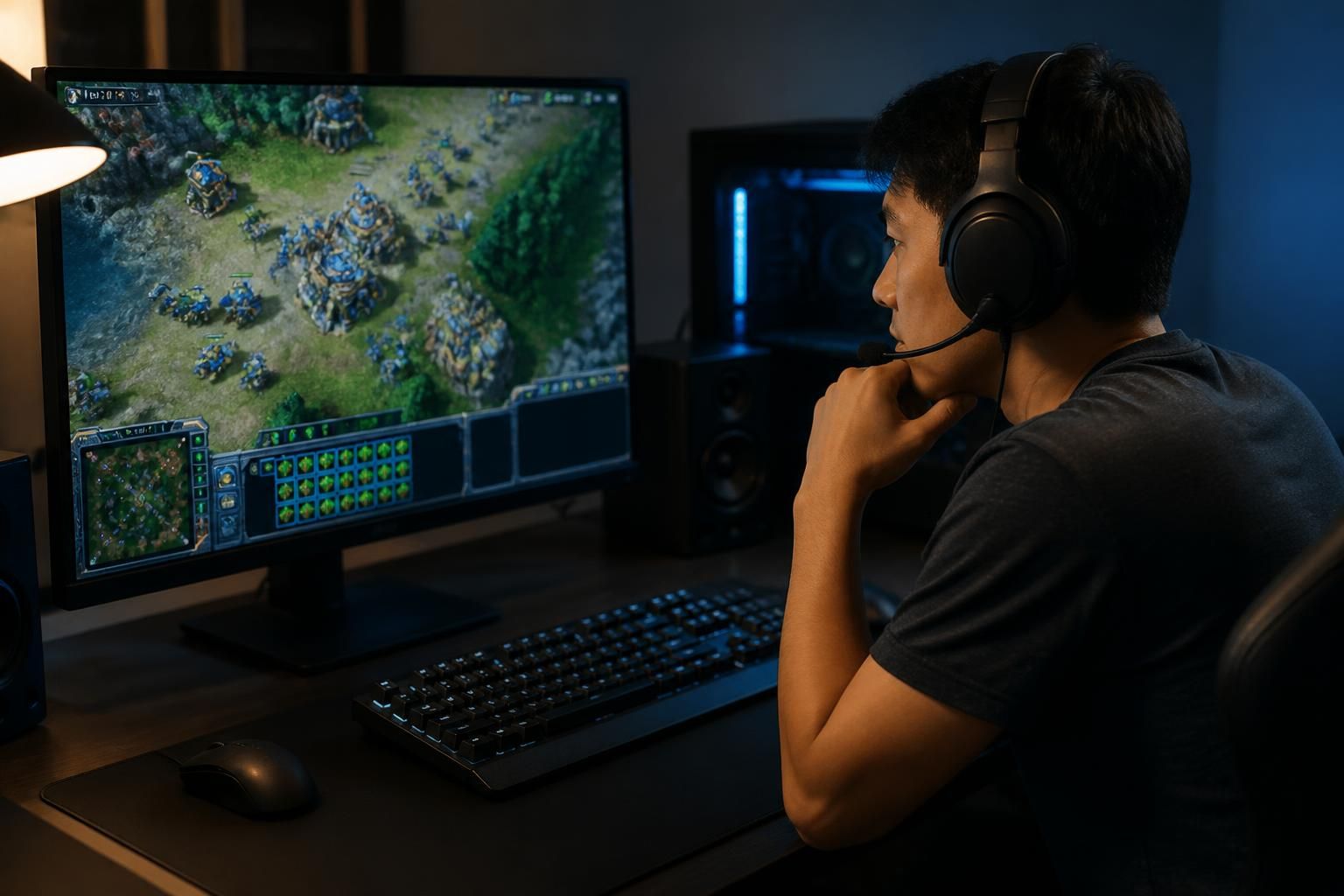
Strategy games and planning skills are intricately linked, as these games challenge players to think ahead, anticipate opponents’ moves, and develop intricate plans. From classic board games adapted for digital platforms to modern real-time strategy titles, the ability to devise and execute strategies is critical. This article explores how engaging with these games enhances cognitive development, providing players with vital skills that extend beyond the screen.
Understanding the Mechanics of Strategy Games
Strategy games can be divided into several categories, including turn-based, real-time, and multiplayer online battle arenas (MOBAs). Each of these formats requires players to engage in tactical thinking and long-term planning. For instance, in turn-based games like Civilization VI, players must consider not only their immediate actions but also how those actions will impact future turns and the broader game landscape. This level of thinking fosters a habit of foresight and adaptability.
In real-time strategy games such as StarCraft II, the fast-paced nature of gameplay necessitates quick decision-making and resource management. Players learn to assess situations rapidly, weigh the pros and cons of various actions, and respond dynamically to changing conditions. This ability to plan and adapt is essential in both gaming and real-life scenarios, such as project management and strategic business planning.
The Role of Problem Solving in Cognitive Growth
Strategy games often present players with complex problems that require innovative solutions. The challenges presented in these games force players to think critically and develop problem-solving skills. For example, in a game like Age of Empires IV, players must balance their resources, strategize their military movements, and construct buildings while contending with opponents. The requirement to solve multifaceted problems enhances cognitive flexibility, allowing players to approach real-life challenges with a more adaptable mindset.
Moreover, the iterative nature of strategy games, where players often experiment with different approaches, reinforces learning through failure. Each setback offers a chance to analyze what went wrong and strategize a better approach, fostering resilience—an essential skill in any planning process. This cycle of trying, failing, and improving teaches players that persistence is key in both gaming and real-world situations.
Teamwork and Communication in Multiplayer Environments
Multiplayer strategy games, especially in the esports realm, emphasize the importance of teamwork and effective communication. Titles like Dota 2 and League of Legends require players to collaborate on strategies and execute plans in unison under pressure. These environments cultivate planning skills, as players must not only consider their own roles but also how they fit into the larger strategy of the team.
This collaborative approach enhances social cognition, as players learn to read their teammates’ cues and make real-time adjustments to their strategies based on group dynamics. The ability to articulate plans and provide constructive feedback is crucial, honing communication skills that can be beneficial in personal and professional settings. Engaging in strategic discussions during gameplay serves to improve players’ ability to convey their thoughts clearly, a vital skill in any planning context.
Translating Gaming Skills to Real-World Applications
The skills developed through strategy games are not confined to the virtual realm; they translate effectively into real-world applications. For example, individuals who regularly engage in strategic gameplay are often better equipped to handle project management tasks, where planning, foresight, and adaptability are essential. Research has found that players who immerse themselves in complex strategy games tend to demonstrate improved decision-making skills in high-pressure scenarios.
Furthermore, many industries value the analytical skills that are honed through gaming. Employers increasingly recognize the benefits of hiring individuals who can think strategically and solve problems creatively. Skills such as resource management, strategic foresight, and team collaboration—cultivated through gameplay—are highly sought after in fields like business, finance, and technology.
Potential Downsides and Balancing Gaming with Other Activities
Despite the numerous benefits of strategy games and planning skills, it is essential to approach gaming with balance. Excessive gaming can lead to negative outcomes, including poor time management and social isolation. It is crucial for players to engage in a variety of activities that promote cognitive development, including physical exercise, social interactions, and other educational pursuits.
Moreover, while games can enhance cognitive abilities, they should not replace traditional educational methods. Games can serve as supplementary tools for learning, providing an engaging way to develop critical thinking skills. To maximize the benefits of strategy games, players can seek titles that encourage teamwork and problem-solving while maintaining a healthy lifestyle outside the gaming environment.
Conclusion: The Lasting Impact of Strategy Games on Planning Skills
In conclusion, strategy games and planning skills are deeply interconnected, with these immersive experiences offering players a unique opportunity to sharpen their cognitive abilities. Through problem-solving, teamwork, and critical decision-making, players can develop essential skills that benefit their personal and professional lives. As the landscape of online gaming continues to evolve, the significance of these games in enhancing cognitive development becomes increasingly clear. Whether for entertainment or education, strategy games will remain a powerful tool for cultivating planning skills that last a lifetime. For those interested in exploring the world of digital strategy games, platforms offering a diverse selection can be a valuable resource, such as เว็บสล็อต.